
This post was updated on July 13, 2015.
An estimated reduction of one ton of volatile organic compounds (VOCs) per year.
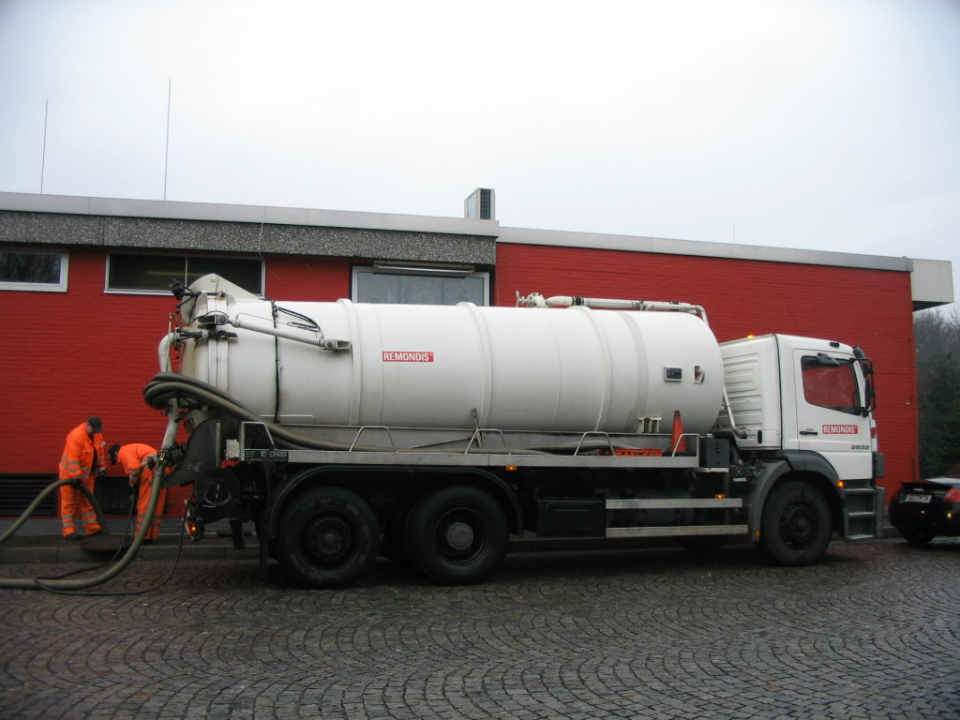
That’s the amount that the South Coast Air Quality Management District (SCAQMD) estimates that can be reduced by regulating vacuum truck operations.
If your business operates a vacuum truck within the SCAQMD, you’ll want to know about Proposed Rule 1188, which will target the VOC emissions from the venting of vacuum truck operations.
Why Create Rule 1188?
Rule 1188 is designed to execute on FUG-01, one of the control measures identified within the 2012 Air Quality Management Plan (AQMP). These control measures are already helping the SCAQMD achieve the eight-hour ozone National Ambient Air Quality Standards (NAAQS).
As stated in the 2012 AQMP:
FUG-01 — VOC REDUCTIONS FROM VACUUM TRUCKS: This control measure seeks to reduce emissions from the venting of vacuum trucks. Emissions from such operations can be further reduced through the utilization of control technologies, including but not limited to, carbon adsorption systems, internal combustion engines, thermal oxidizers, refrigerated condensers and liquid scrubbers. Additionally, implementation of a leak detection and repair (LDAR) program may further reduce fugitive emissions.
To involve stakeholders with the development of Rule 1188, the SCAQMD has formed a working group to:
- Study vacuum truck activities
- Conduct source testing
- Collect data used to estimate VOC emissions from vacuum truck operations
While the final rule language has yet to be finalized, the SCAQMD has put out draft language for Rule 1188. This update provides a brief summary of the proposed requirements of Rule 1188.
Rule 1188 in Brief
Currently, Rule 1188 will apply to vacuum trucks moving VOC-containing materials operating at:
- Refineries
- Bulk plants
- Bulk marine terminals
- Organic liquid pipeline facilities
The SCAQMD is also considering adding other sources to this list.
Emissions and Performance Requirements
As you can expect, the proposed rule contains emissions and performance requirements, including:
- Limiting the VOC emissions from the exhaust of a vacuum truck to 500 PPM
- Controlling the VOC emissions from a vacuum truck by at least 95 percent
Liquid Leak Requirements
The proposed rule also sets a liquid leak limit of no more than three drops per minute from a vacuum truck. This limit would also apply to the other equipment associated with a vacuum truck unless the leak is discovered by an operator and eliminated within three minutes after discovery.
Vapor Leaks
Rule 1188 would also set a vapor leak limit of no more than 500 PPM VOC from a vacuum truck or its associated equipment. Similar to the liquid leak requirements, vapor leaks would need to be eliminated within three minutes of discovery.
Other Rule 1188 Requirements
Other requirements of the proposed rule include:
- Monitoring of the VOC concentrations during the operation of a vacuum truck
- Testing of the VOC control equipment on a truck to verify its control efficiency
- Recordkeeping and reporting requirements
Rule Development Schedule
Milestones are set for the remainder of 2014 and the SCAQMD has been working with stakeholders on developing the rule. Most recently, they have sent out a survey to collect data from vacuum truck activities.
There are other milestones scheduled in the rule-making process, including:
- September 2014: public workshop
- November 2014: final hearing
Are You Affected by Rule 1188?
Do you have a vacuum truck that operates in the SCAQMD? If so, and with the final hearing for Rule 1188 proposed for November 2014, you should seek to understand the proposed impacts to their operations as soon as possible.
Do you see any problems with the proposed rule language? Let us know in the comments below.
